

News
-
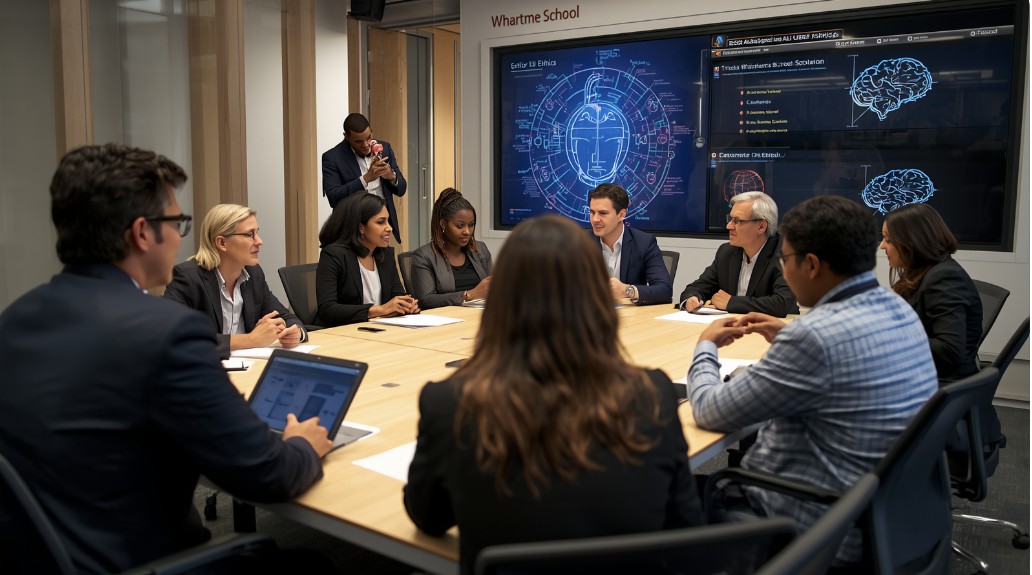
How Do We Know if an AI System Is Safe, Fair, Reliable, and Trustworthy?
One of the most consequential questions in technology governance today is also one of the most underexamined: how… Read More
-
Why High-Risk AI in Employment Demands More Than Ethics Statements
Artificial intelligence is no longer sitting at the edges of human resources as an experimental productivity tool. It… Read More
-
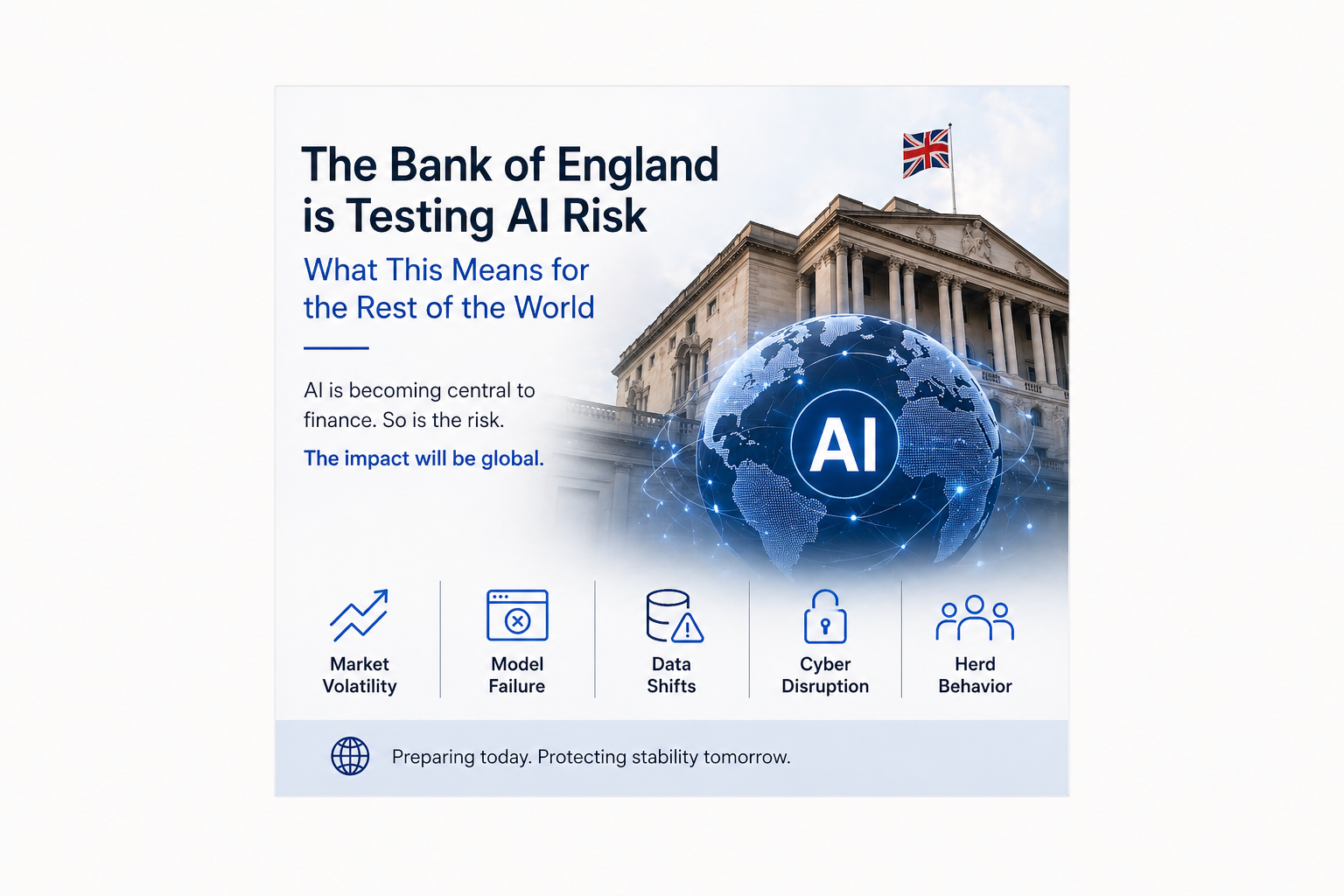
From Stress Tests to Global Standards: How the Bank of England Is Shaping AI Risk Oversight Worldwide
When financial regulators begin stress-testing a technology, they are sending a signal of preparedness. That is precisely what… Read More
-
From Harm to Accountability: What Recent Global Litigation Reveals about Digital Safety Enforcement
Why documented harm alone does not produce accountability, and what institutions must build to translate incidents into protection… Read More
-

The Illusion of Safe EdTech: PowerSchool and the Global Risks to Student Data
As AI‑enabled tools are woven into educational systems in Africa and the broader Global South, they are plugging… Read More
-

From Storms to Signals: Co-Designing AI-Powered Maritime Safety with Ghana’s Fishermen
In many coastal communities, small-scale fishing fleets operate outside major shipping and offshore networks. The Center for Law… Read More

THOUGHTS THAT INSPIRE
Governments can make a greater effort to encourage computer science education, especially among young girls, racial minorities, and other groups whose perspectives have been underrepresented in AI.

Dr. Fei‑Fei Li
Co-Director, Stanford’s Human-Centered AI Institute
Events
-

In collaboration with the Ghana School of Law, AIPG is excited to announce our upcoming certification workshop AI and the Law: Practice in the Age of Algorithms Course Description Artificial Intelligence is no longer a…
DATE & TIME
19 -22 August, 2025
LOCATION
Online
View all Events